Betty Fvck is an award-winning POC and immigrant queer artist based in Helsinki. She has performed in over 12 different countries and she was featured on over 50 magazines and TV. She is a voice for POC and Queer art to be heard.
House of Fvck is a Drag collective born in 2020 during the Helsinki Pride Week. It was a project for Nuorten Pride to teach young people under 18 to do Drag with makeup, costume and performance; the tutors were Chris Oh! and Betty Fvck.
After the project, the House stayed together with seven members and has kept performing together since then. In this video interview, Betty Fvck is in conversation with four members of the House of Fvck: Annabelle Fvck, a young Drag Diva from Turku who aspires to win the crowd with her charming beauty and slutty attitude; OG BoyPussy, bold and scary Drag who wants to challenge the norms and look like a wizard; Stormy Velvet, a funky, mysterious and androgynous drag character, who loves to bring fantasy and drama to the stage; Alice the Fvck, a dancer with hot moves that will make you scream.

Betty Fvck

OG BoyPussy, Stormy Velvet, Annabelle Fvck, Alice the Fvck
-
 READ
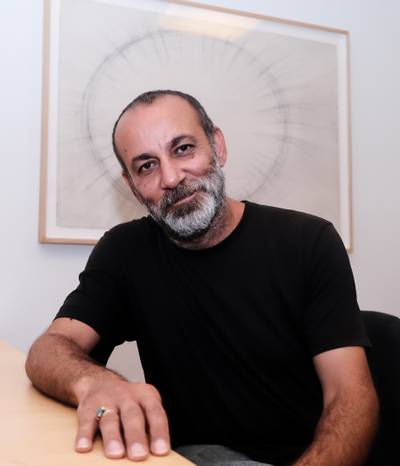
Hiwa is interested in research, participatory working, and collective action, but he is also interested in making it, for lack of a better word, fun. Previously written texts and press articles on Hiwa have called him an “extellectual”, someone who gains knowledge from ‘the streets’, through conversations and the exchange of books. Despite the risk of repeating pre-published information, I find it critically important for the sake of reading the following interview to point out that the qualities of humour and satire—to neither take oneself too seriously nor wallow in the miseries of the world—occupy a central position in Hiwa’s work.
On Recognising the Moment of Hope: Speaking in Echoes With Hiwa K.
-
 READ
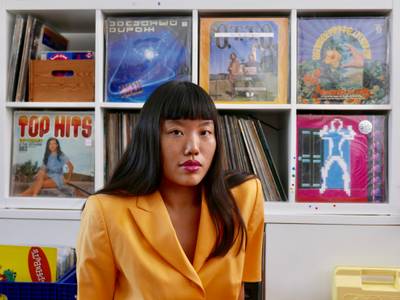
I felt we were living in a crisis within a crisis. I’m not very optimistic about the current systems that we’re living in and how much progress we are making in terms of getting out of this system. Still, the way that I deal with my disappointment and my despair is that I turn to music, underground art, and artist-activist communities.
Dancefloor is a Radicalising Kind of Moment: A Conversation with Ani Phoebe
-
 READ
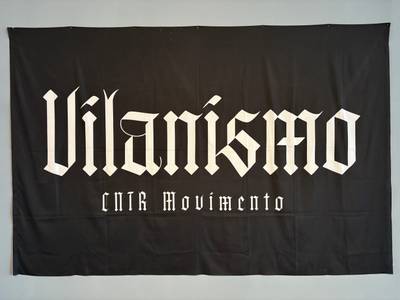
Everyone in Vilanismo is someone I met and grew close to within the contemporary art circuit. Some even earlier, through graffiti, like Robson, or São Paulo’s pixação scene. The idea was to understand how their practices could move forward collectively, while also allowing me to be part of that vehicle, amplifying one another. So the starting point was affection and mutual admiration.
Vilanismo: An Ethics of Care and a Philosophical Framework Emerging from Afro-Paulistano Culture
-
 READ
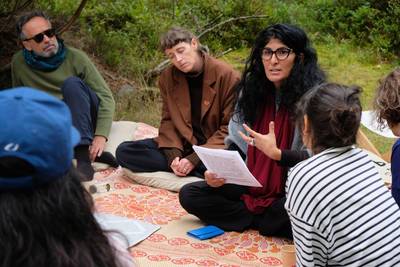
This interview grows out of that ongoing process of working, thinking, and speaking together. While it takes the form of questions and answers on the page, in reality, it unfolded as a dialogue: her narratives of Palestine, her frameworks of hospitality and self-determination, and her reflections on Sweden intertwined with my own questions, concerns, and the shared struggles I see myself as part of.
Commoning Private Space: An Interview with Sandi Hilal