
Essays
-
 READ
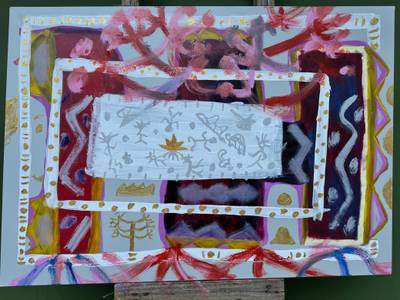
READA conversation with Isabel and Carl Gakran about the Zág (Araucaria), an indigenous tree threatened with extinction. We talked about their project (Instituto Zág), Indigenous climate justice and the intersection between the Palestinian and the (Brazilian) Indigenous struggles.
Zág Trees, Forest Spirits, and the Settlers: A Conversation with Xokleng Kin
A conversation with Isabel and Carl Gakran about the Zág (Araucaria), an indigenous tree threatened with extinction. We talked about their project (Instituto Zág), Indigenous climate justice and the intersection between the Palestinian and the (Brazilian) Indigenous struggles.
-
 READ
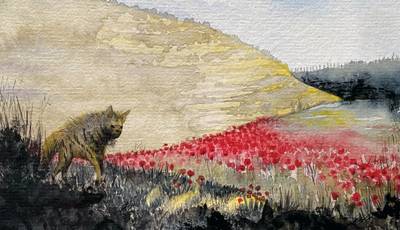
READWhere the striped hyenas are is not only a place in the imagination or in the past. Where the striped hyenas are is also a possibility for what the future could bring. It’s where they lie, waiting for their turn to return from their exile. Where the hyenas are is also where the ghouls and the djinn are, behind seven mountains, dreaming and chasing their world into being again.
Where the Striped Hyenas Are, or, A Tale Is a Map and a Compass: Some Fragments on the Fantastical, Land and Remembrance
Shayma Nader on how can the fantastical embody the political; what if all fantastical creatures were to rise up against the dispossessions and alienations from the lands that sustain them, to which they belong?
-
 READ
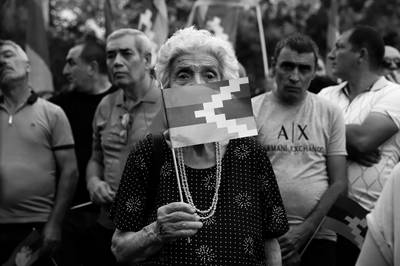
READWhile azerbaijan was bombing Armenians with israeli and turkish UAVs and paying bonuses to turkish-backed Syrian mercenaries for beheading Armenians, the “international community,” whatever that’s supposed to mean at this point, expressed lousy words of “concern,” and displayed a nauseous stance of both-sideism, devoid of any tangible action. The existence of this unrecognised republic and its indigenous population wasn’t legitimate enough for world powers to lift a finger.
Violent Septembers: An Armenian Perspective Amid the Ongoing Occupation
In the shadow of a devastating ethnic cleansing campaign by azerbaijan1, this essay paints a narrative of Armenians grappling with cultural erasure and ongoing threats.
-
 READ
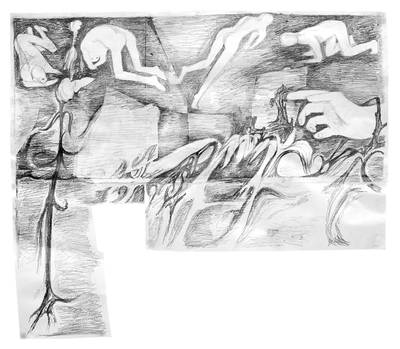
READIs it problematic to mix friendships and professional connections, emphasising the benefits of helping friends since they will eventually feel obliged to help in return? How did such a neoliberal manipulative trick that openly instrumentalizes intimacy become acceptable? Is “friendly, warm hearted” corruption and favouritism legitimised? Am I abusing my position of power by preferring to work with friends? How does the professional environment change if a friendship ends abruptly and unpleasantly?
Against Friendship: On the Dark Side of Professional Intimacies
Is it problematic to mix friendships and professional connections, emphasising the benefits of helping friends since they will eventually feel obliged to help in return? How did such a neoliberal manipulative trick that openly instrumentalizes intimacy become acceptable? Is “friendly, warm hearted” corruption and favouritism legitimised? Am I abusing my position of power by preferring to work with friends? How does the professional environment change if a friendship ends abruptly and unpleasantly?
-
 READ
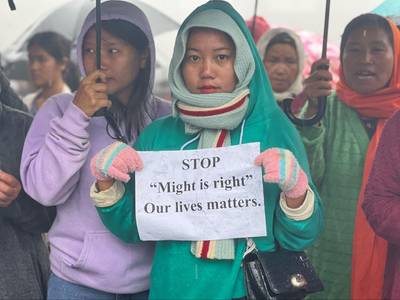
READI’ve been reporting from Manipur since June 2023. From the very beginning, I could understand that though women were contributing as much as men in facing the brunt of the war, their roles never received enough acknowledgment nor were their views taken into account while making important decisions. As an outsider, I could see that women leaders had a much more pragmatic method and manner of dealing with most situations, yet they found no place on the leadership table. This, I was made to understand, stems from a society that is founded on a patriarchal structure, yet a visible reluctance of present-day male-dominated organizations to relinquish space to women during a crucial time as this continues.
What it means to survive a war, with dignity
Women leaders of the Kuki-Zo community reflect on the hardships of a state supported war, and how they are rebuilding lives while negotiating denial of agency and leadership.
-
 READ
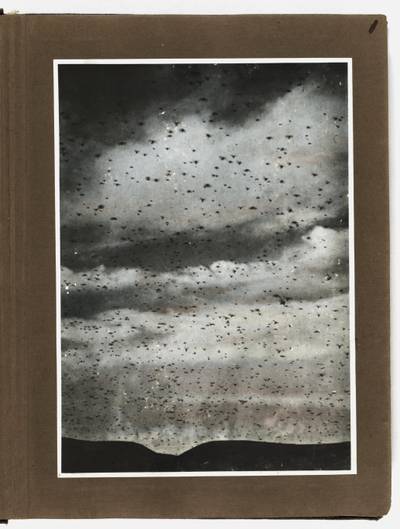
READTo revisit these images today—historical, archival, and contemporary—is to confront multiple temporalities: the gaze of missionary projection, the habitual and the foreseeable. These layers coexist, sometimes always in tension, revealing the land’s persistence beyond imposed narratives. Unbiblifying is not about erasure; it is about recognizing the sacred not as revelation but as habit, not as myth but as presence.
Theology of the Image: Unbiblifying the Sacred
The essay explores the early missionary gaze within European photographic practices in Palestine, examining it in parallel with local photographers’ approaches to distinguish between the sacred as revelation and the sacred as habit.
-
 READ
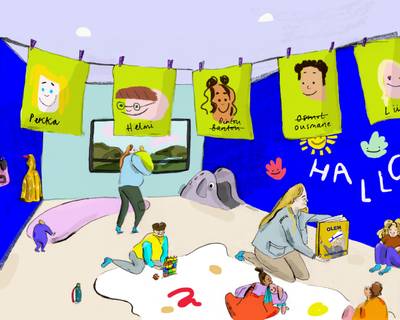
READEducational institutions, just like all other institutions, can be considered microcosms of society, where prevailing attitudes and values manifest. Consequently, as racism permeates Finnish society, it also seeps into Finnish daycares.
Microaggressions & Everyday Racism in Finland’s Daycare System
Finland is often celebrated for its world-renowned daycare system and commitment to social equality. However, beneath the surface, many non-white families face a disquieting reality: a barrage of microaggressions and everyday racism that challenges the nation’s ideals of equity.
-
 READ
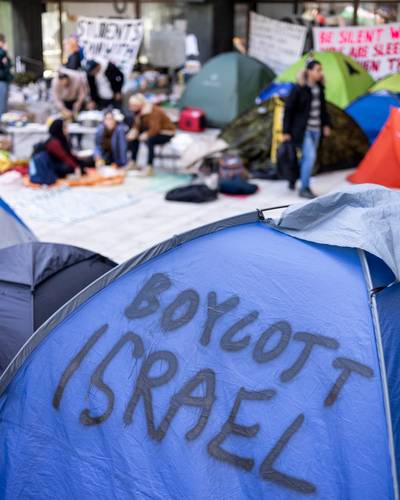
READThe opposition is not only between institutions and student activists—it also exists within our movement, manifesting in differing strategies. Should we focus on direct, visible actions or institutional processes? Should we shame the university publicly or appeal to its conscience? These approaches are not mutually exclusive—they reinforce each other.
Disrupting Complicity: Students Organising for Palestine in Finland
Finland is not known for a strong tradition of radical student mobilisation. However, in the wake of the Al-Aqsa Flood and Israel’s genocide of Palestinians in Gaza, a wave of student activism emerged in three universities in Finland’s capital region: University of Helsinki, Uniarts Helsinki and Aalto University. In this text, the students share their experiences and processes while also mapping a web of connections that unite their actions in challenging their university’s complicity in genocide and settler colonialism.
-
 READ
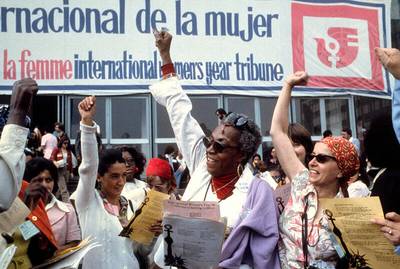
READAmidst this uprising, several feminist film collectives emerged, adding to this momentum by making films and videos that disrupted the representations of women on screen, challenged their seclusion from the public sphere, and both fuelled and documented feminist campaigns and events. Despite the magnitude and significance of feminist cinema, its influence remains largely unspoken.
Women’s Uprising and the Latin American Film Collectives of the 1970s and 1980s
Lorena Cervera’s essay presents several feminist film collectives that challenged mainstream cinema by engaging in political debates, documenting activism, and creating spaces for women’s voices across Latin America in the 1970s and 1980s. By showcasing their largely overlooked work, Cervera emphasises their enduring cultural and political significance.