
Interviews
-
 READ
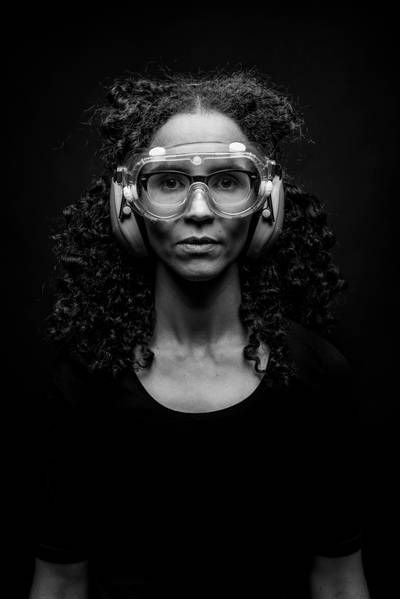
READThe stapling became the stitching of the colonial wound. The important transition that took place was in calling this work pain-tings, which includes both - the power of the pain that is inflicted and, at the same time, a way to heal transgenerational wounds that continue to be there. I realised quite soon that I was using my energy in the wrong way, as in the case of my first portraiture series titled Shooting Back from 2004. I wanted to stop creating portraits of people who did so much damage because the end result is a portrait of that person, and I don’t want to look at them anymore.
Patiently Sifting through the Remnants of History: A Conversation with Sasha Huber
Curator and founder of Southnord, Marcia Harvey Isaksson, in conversation with artist Sasha Huber about stitching colonial wounds, remembrance and repair, and following the unpredictable paths of roots and threads.
-
 READ
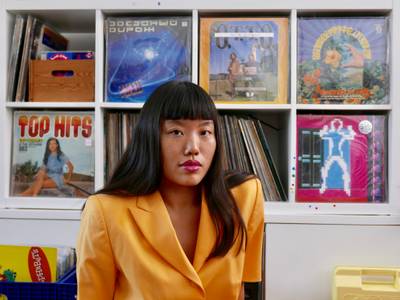
READI felt we were living in a crisis within a crisis. I’m not very optimistic about the current systems that we’re living in and how much progress we are making in terms of getting out of this system. Still, the way that I deal with my disappointment and my despair is that I turn to music, underground art, and artist-activist communities.
Dancefloor is a Radicalising Kind of Moment: A Conversation with Ani Phoebe
A conversation with DJ, activist, and founder of Bad Times Disco Ani Phoebe, exploring solidarity work in music spaces during times of austerity and the potential of a political dance floor.
-
 READ
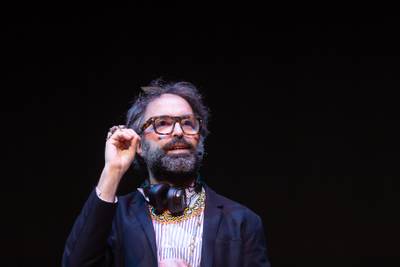
READThe names we have are not enough. We have to invent a new name. I don’t have a solution, but I know that we have to find a name. One of the points I make is that nowadays, we are in a situation where everybody’s saying we have to stay with or listen to this kind of multiplicity of proposals, the multiverse, and this is politically extremely naïve. If we accept that every name of the Earth and every conception of it is good, what do we do with climate deniers?
On Plants and Planetary Names: A Conversation with Emanuele Coccia
An interview with philosopher Emanuele Coccia on plants, names, politics, and love.
-
 READ
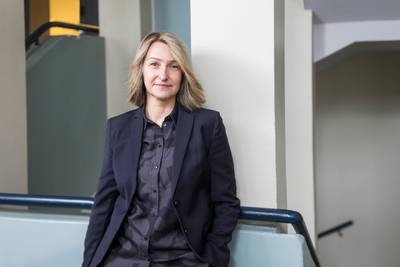
READThe second edition of the biennial marked a departure from the first, navigating different geopolitical landscapes, timelines, budgets, curatorial and organisational structures, and resources. The budget for the second edition of the Helsinki Biennial had initially been outlined before the outbreak of the war in Ukraine. Compounded with a post-covid economy and the wider impact on the art world, this all contributed to considerations for organising this edition.
Leaving Minimal Imprints on the Landscape: A Conversation with Joasia Krysa
Joasia Krysa is the curator of the second edition of the Helsinki Biennial. In this conversation, she shares insights into the intricate process of organising this event and emphasises the significance of collaborations and connections forged during the biennial, both locally and internationally.
-
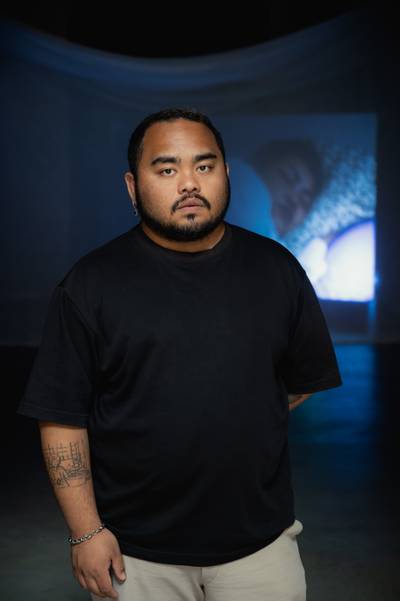 READ
READAnd for westerners, this act of doing nothing is laziness. But when I go back to this memory, it’s actually the act of rest. This is when your body is connected with the ground, with the land, and with the soil to recharge you again. Because in the precolonial Philippines, the way their bodies were working was through reciprocity—the reciprocation of care and love with nature and the things around them. In this way of resting, when your body is on the ground doing nothing and just resting, you also give time to the environment and to the land to rest and heal.
Open Wounds, Invisible Bodies: A Conversation with Liryc Dela Cruz
This interview explores Liryc Dela Cruz’s artistic practice in Europe, tracing his journey from cinema to diverse mediums including performance, dance, and community engagement. Dela Cruz’s recent focus has been an extensive research project on the Filipino diaspora, particularly domestic workers in Italy.
-
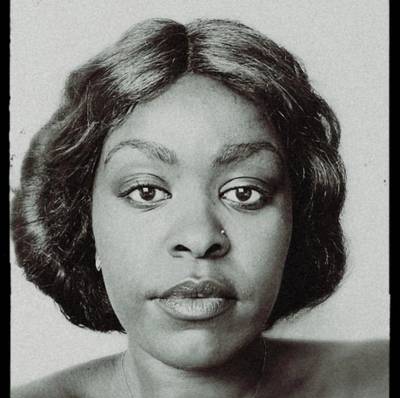 READ
READAs community members and activists, we need to know how to work the system and how to turn our work into projects. In the case of this exhibition, I came to the museum with the confrontation that there is nothing about us Afro Finns in the museum, and we have the right to exist here. You have a gap, and I have an idea.
Rewriting and Dreaming Afro Finnish History: A Conversation With Wisam Elfadl
The awareness of Afro Finnish culture as a part of Helsinki’s identity has been marginal. The purpose of the ‘Being Black’ exhibition is to change this.
-
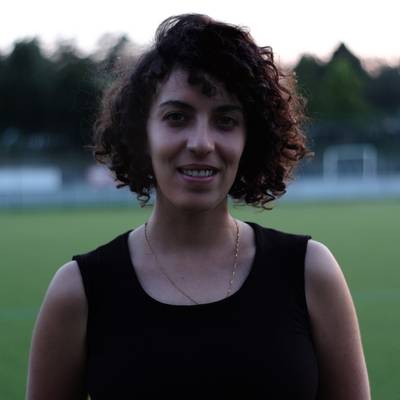 READ
READCan we turn folklore into a source of learning - a knowledge source that informs us about social struggles that otherwise go unnoticed by the powerful?
“For All Wars to Come”: An Interview with Noor Abed
Can we turn folklore into a source of learning - a knowledge source that informs us about social struggles that otherwise go unnoticed by the powerful?
-
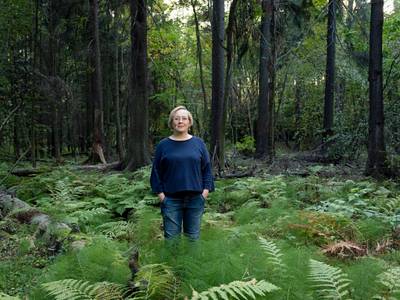 READ
READMaija Blåfield on misunderstanding and perception; her complex relationship with photography; embracing the unexpected while working with documentary subjects; and revealing the magic behind the ordinary in moments created by the texts and photographs.
Contact Reality: A Conversation with Maija Blåfield
Maija Blåfield on misunderstanding and perception; her complex relationship with photography; embracing the unexpected while working with documentary subjects; and revealing the magic behind the ordinary in moments created by the texts and photographs.
-
 READ
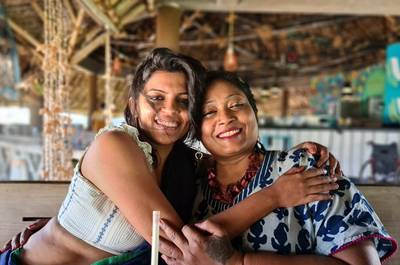
READDr. Aiswarya Rao on navigating hostile spaces for people-particularly women- with disabilities through the organization ‘Better World Shelter for Women with Disabilities’, building safe spaces, changing policies, and tying art into livelihood, fun, and friendship.
Blending Art, Friendship & Advocacy: A Conversation With Dr. Aiswarya Rao
Dr. Aiswarya Rao on navigating hostile spaces for people-particularly women- with disabilities through the organization ‘Better World Shelter for Women with Disabilities’, building safe spaces, changing policies, and tying art into livelihood, fun, and friendship.
-
 READ
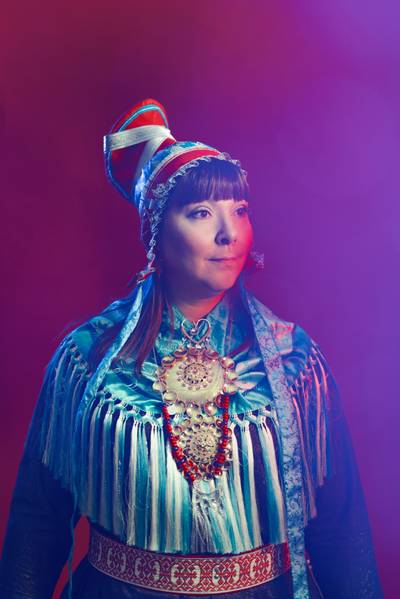
READIn an engaging and insightful interview, conducted by Sophia Mitiku, Nuorgam based musician and yoiker Ánnámáret talks about the changing nature of yoiks, adjusting archival material to contemporary times. Having grown up between two cultures, she talks about how to understand spirituality and philosophy through their collisions and similarities in everyday life experiences.
Between Being Political & Being Politicized: A Conversation With Ánnámáret
In an engaging and insightful interview, conducted by Sophia Mitiku, Nuorgam based musician and yoiker Ánnámáret talks about the changing nature of yoiks, adjusting archival material to contemporary times. Having grown up between two cultures, she talks about how to understand spirituality and philosophy through their collisions and similarities in everyday life experiences.
-
 READ
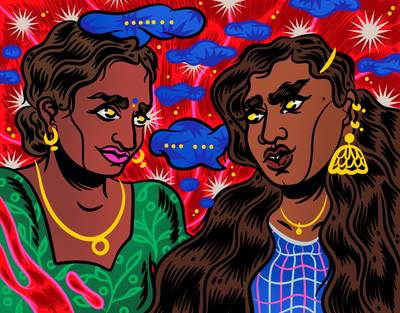
READAbinaya and Vanessa reflect on their experiences in the Tamil community and discuss the pressure to represent Tamilness for non-Tamil audiences. Abinaya discusses her work with Tamil Guardian, which sought to combat Sri Lankan government propaganda and elevate the voice of the Eelam Tamil polity. Vanessa discusses her role in editing Tamil Futures, a creative arts magazine aimed at the global Tamil community, which prioritized creative archiving and documenting underrepresented histories.
Writing Tamilness: Perspectives From Tamil Futures and Tamil Guardian
Abinaya and Vanessa reflect on their experiences in the Tamil community and discuss the pressure to represent Tamilness for non-Tamil audiences. Abinaya discusses her work with Tamil Guardian, which sought to combat Sri Lankan government propaganda and elevate the voice of the Eelam Tamil polity. Vanessa discusses her role in editing Tamil Futures, a creative arts magazine aimed at the global Tamil community that prioritizes creative archiving and documenting underrepresented histories.
-
 READ
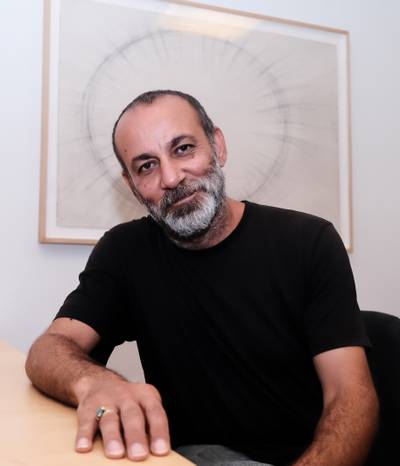
READHiwa is interested in research, participatory working, and collective action, but he is also interested in making it, for lack of a better word, fun. Previously written texts and press articles on Hiwa have called him an “extellectual”, someone who gains knowledge from ‘the streets’, through conversations and the exchange of books. Despite the risk of repeating pre-published information, I find it critically important for the sake of reading the following interview to point out that the qualities of humour and satire—to neither take oneself too seriously nor wallow in the miseries of the world—occupy a central position in Hiwa’s work.
On Recognising the Moment of Hope: Speaking in Echoes With Hiwa K.
Ali Akbar Mehta interviews Hiwa K. on navigating the capitalistic system of art, ‘urgency’ of climate change and notions of homeland.